Workwear buying tips
Nov 13, 2026 5 min read
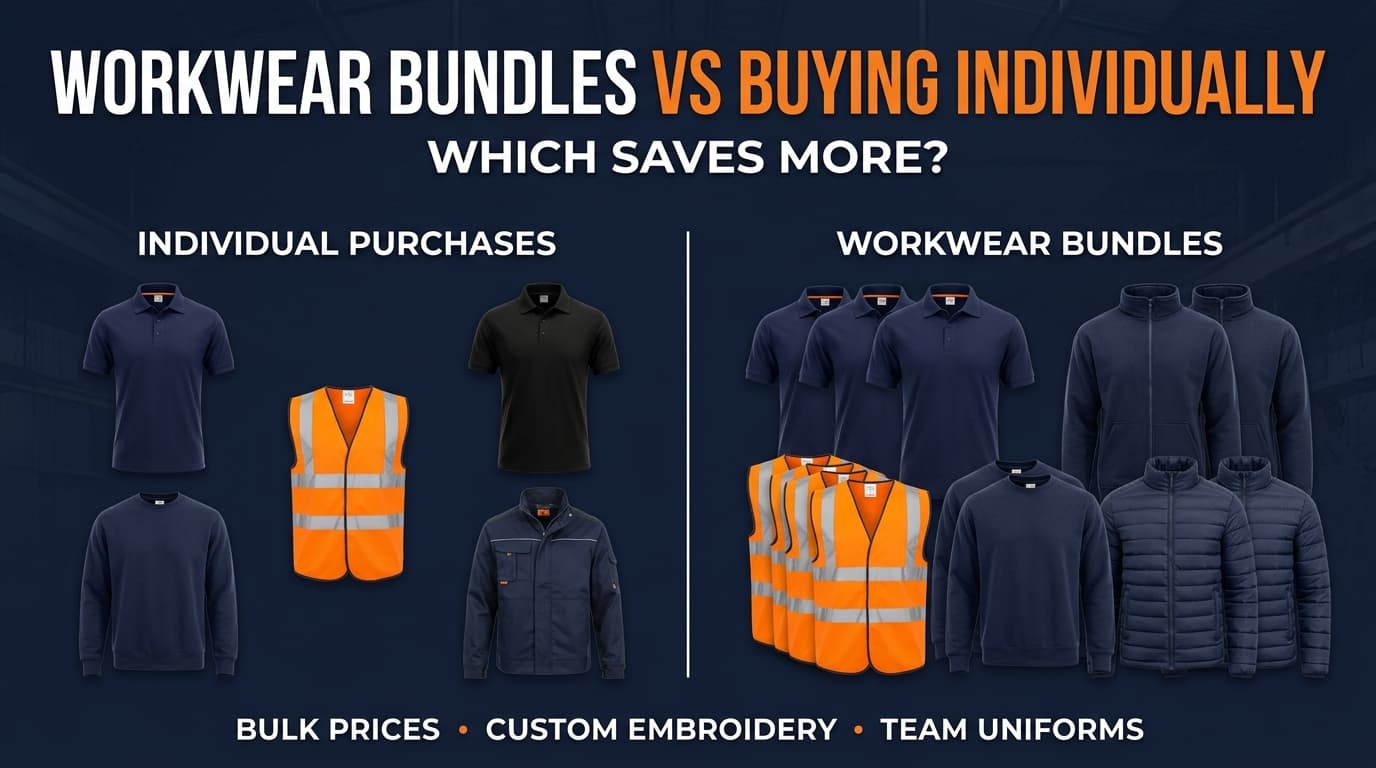
Workwear Bundles vs Buying Individually: Which Saves More?
Fariha Wadud
10% Discount For New CustomerPromo Code: NEW10Free Shipping On Order 99.99
Our Deals & Bundles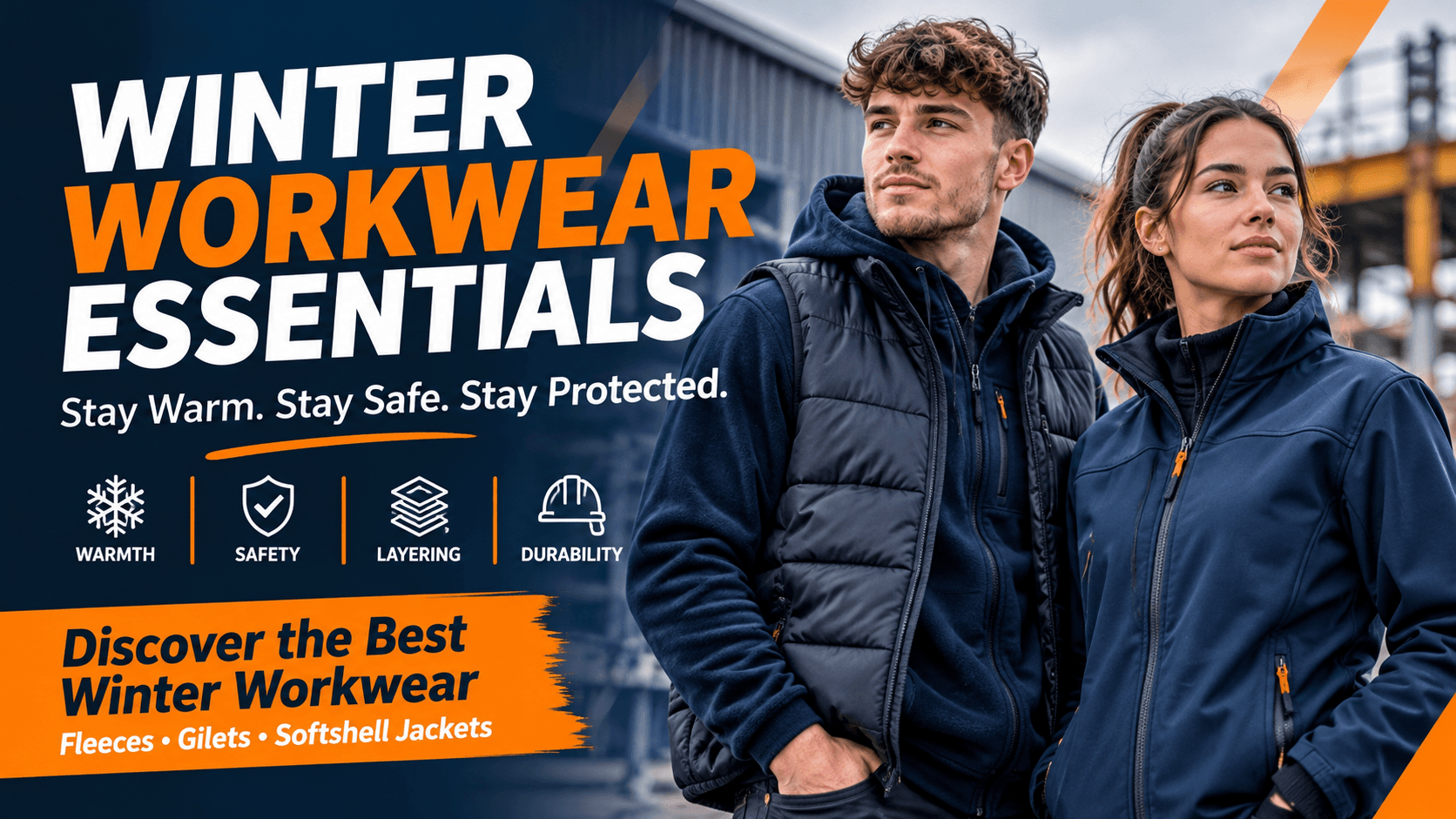

Cold mornings, wind, rain and changing temperatures can make winter working challenging, particularly for people who spend long hours outdoors. From construction sites and warehouses to cleaning services and delivery work, choosing suitable winter workwear helps workers stay comfortable while carrying out their daily responsibilities.
The best winter workwear is not necessarily the thickest jacket available. It is clothing that provides suitable insulation, allows freedom of movement and offers appropriate protection against the conditions in which employees work.
Whether you are purchasing clothing for an entire workforce or updating your own uniform, understanding how to layer workwear can help you make more practical choices.
Working in cold conditions can affect comfort, concentration and the ability to perform physical tasks safely. Wind and damp clothing can make workers feel colder, while unsuitable or restrictive garments may interfere with movement.
For businesses, selecting appropriate workwear means considering more than warmth. Clothing should suit the working environment, the physical demands of the job and any required personal protective equipment (PPE).
A practical winter workwear selection should consider:
One of the most practical approaches to dressing for colder weather is layering. Instead of relying on one heavy garment, workers can combine different clothing layers to manage insulation, moisture and external conditions.

The base layer sits closest to the skin. Its purpose is to help manage moisture and provide a comfortable starting point for the rest of the outfit.
Thermal tops and suitable synthetic or wool-based fabrics can be useful during colder shifts. Avoid choosing clothing that becomes uncomfortable when workers sweat during physically demanding activities.
The mid layer helps retain warmth and can be adjusted throughout the day.
Fleece jackets, sweatshirts and gilets are useful options for different working environments.
A fleece provides additional coverage, while a gilet offers insulation around the torso without restricting the arms as much as a full jacket.
For teams that need affordable uniform updates, Artistry Workwear offers gilets from £9.99. A five-piece embroidered fleece bundle is also available at £89.99, providing a branded clothing option for businesses equipping multiple employees.
The outer layer is particularly important for people working outdoors.
Softshell jackets are a practical option for many work environments because they can offer a combination of comfort, flexibility and protection against wind and light weather, depending on their construction.
For prolonged exposure to heavy rain, workers may need dedicated waterproof outerwear rather than relying on a softshell alone.
Where visibility clothing is required, the outer garment must also be appropriate for the workplace risk assessment and applicable high-visibility requirements.
Different occupations have different requirements. A warehouse employee may prioritise comfortable indoor layers, while a construction worker may need suitable weather protection and compliant high-visibility clothing.

When purchasing winter clothing for employees, consider garments that can be worn individually or combined depending on working conditions.
Gilets provide additional warmth around the torso while leaving the arms free. This makes them a useful option for warehouse operations, maintenance teams and employees who move frequently between indoor and outdoor environments.
Artistry Workwear offers gilets from £9.99, making them an accessible option for businesses looking to expand their branded uniform selection.
Fleece jackets are a popular choice for colder working days because they provide an additional insulating layer.
They can also help businesses maintain a consistent professional appearance across their teams.
Artistry Workwear offers a five-piece embroidered fleece bundle for £89.99. This is an option for businesses looking to equip several employees with matching embroidered clothing.
Softshell jackets are suitable for many everyday workwear applications, particularly where workers need a combination of flexibility and protection against wind or light rain.
They can be used by maintenance staff, delivery teams, tradespeople and employees who regularly move between different working environments.
However, businesses should check the garment's actual weather-resistance and safety specifications before selecting it for demanding outdoor conditions.
Before placing a bulk workwear order, consider the following:
Working environment: Determine whether employees work indoors, outdoors or in mixed conditions.
Weather exposure: Consider wind, rainfall, dampness and temperature changes.
Physical activity: Employees carrying out strenuous tasks may need adjustable layers to avoid overheating.
Movement and comfort: Clothing should allow workers to bend, reach and carry out their duties without unnecessary restrictions.
Visibility requirements: Check whether employees need certified high-visibility clothing and select suitable garments for their workplace risks.
Branding: Choose embroidery or printing placements that suit the garment and maintain a consistent appearance.
Quantity and budget: Compare individual garment prices with multi-piece bundles when ordering for teams.
Warm clothing is only one part of working safely in winter.
Employers should assess cold-weather risks and consider suitable protective equipment, appropriate rest breaks and access to warm-up facilities where necessary.
The UK Health and Safety Executive (HSE) recommends ensuring that outdoor workers have appropriate PPE, opportunities to warm up and an understanding of the early signs of cold stress.
Remember that ordinary branded workwear does not automatically qualify as protective equipment. Hi-vis garments and other specialist clothing should meet the relevant requirements for their intended use.
A suitable combination of a moisture-managing base layer, insulating mid layer and weather-appropriate outer layer is a practical starting point. The exact clothing depends on the conditions and the work being performed.
Yes. Gilets can provide additional torso insulation while allowing greater freedom of arm movement. They are useful for many warehouse, maintenance and general workwear applications.
A fleece can provide useful insulation as a mid layer. However, it may need to be combined with suitable outerwear when workers face strong winds or wet weather.
Not necessarily. Softshell jackets vary in their weather-resistant properties. Check the manufacturer's specifications before relying on one for prolonged exposure to heavy rain.
Yes. Embroidery is a popular option for adding company branding to suitable garments, including fleeces, gilets and jackets. Garment construction and embroidery placement should be considered before ordering.
Businesses can compare individual garments with multi-piece bundles. For example, Artistry Workwear offers gilets from £9.99 and a five-piece embroidered fleece bundle at £89.99.
Choosing the right winter workwear helps businesses equip their employees with practical clothing for colder working conditions while maintaining a consistent professional appearance.
From affordable gilets and embroidered fleece bundles to versatile softshell jackets, selecting suitable layers can make winter uniform planning easier.
Artistry Workwear provides custom embroidery and garment printing for businesses looking to create branded workwear for their teams.
Explore Artistry Workwear at https://www.artistryworkwear.com and enquire about your winter workwear requirements.